To Preserve or not to Preserve: The East Wing Demolition
By Owen Reid
Photograph: Getty Images
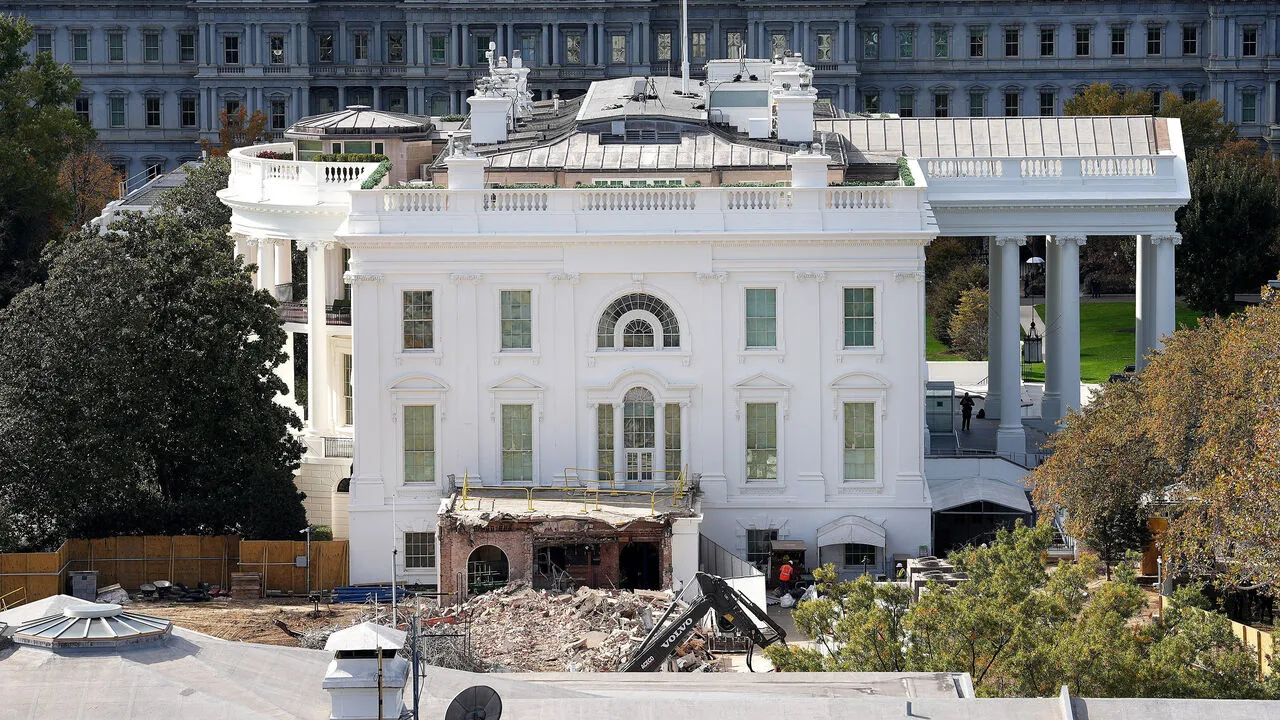
This past fall, I had the privilege of working at the White House Historical Association, a private, non-profit organization that aims “to protect, preserve, and provide public access to the history of America’s Executive Mansion.” Funded almost entirely through private philanthropy and sale of educational books and products, the Association maintains a variety of educational publications, curates a state-of-the-art technology based museum called “The People’s House,” sponsors events showcasing the rich history of the White House, and makes acquisitions for the White House collection. But last fall, the Association found itself in the media spotlight for reasons outside its control. Indeed, President Trump’s decision to bulldoze the entirety of the White House’s East Wing raised questions of the larger historical community’s responsibility to preserve White House history amid this administration’s rearrangements.
Since its founding in 1961 by First Lady Jacqueline Kennedy, the Association has historically distanced itself from the individual decisions of sitting Presidents to alter or expand the property of the White House. “Ours is not to make happen, or to keep from happening — but to document what does happen, what happens in this great home that we call the White House,” said Association President Stewart McLaurin in an interview with the Associated Press. McLaurin and the rest of the Association echo similar sentiments regardless of the political affiliation of the sitting President. But truthfully, the White House has not undergone significant expansion or renovation since the Truman administration in 1948. And notably, almost all of the efforts to contribute to the Executive Mansion have been additions, renovations, or modifications of existing structures.
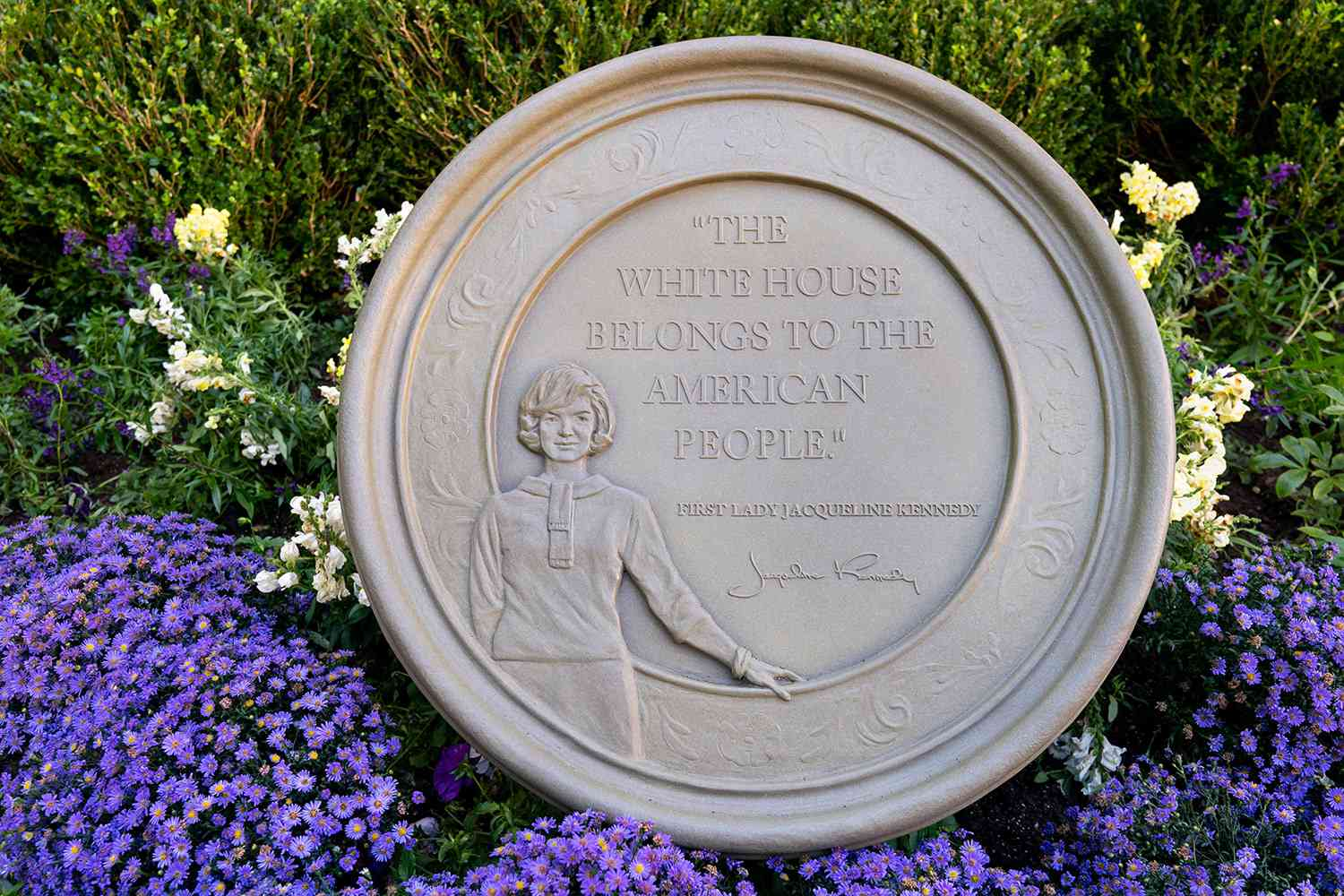
A statue honoring White House Historical Association founder First Lady Jacqueline Kennedy. Photograph: Jacquelyn Martin/AP/Shutterstock
President Trump’s unprecedented decision to eliminate the East Wing raises significant legal questions of the authority the President holds to unilaterally demolish a significant, historically rich, portion of the White House, but his actions also raise more general questions about historic preservation efforts. Prior to the demolition of the East Wing, White House staff removed the portraiture and furniture in an effort to preserve the valuable pieces of the White House Collection. In additional preservation efforts, the Association worked in conjunction with the White House Curator and Chief Usher to carefully 3-D scan the entire East Wing “so that every room, space, nook and cranny of the East Wing… was captured to the -nth degree.”
In my view, these efforts beg the following question: Can a historic space be meaningfully preserved if it is physically destroyed? My opinion: no, not really. Integral to a space’s historic value is the ability to physically feel the history being preserved. This string of decisions cannot be interpreted as meaningful preservation.
I travelled to Paris several years ago, and among the most amazing parts of that trip were visits to the Palace of Versailles and the Sainte-Chapelle. I truly believe there is something magical about physically stepping into the upper chapel of the Sainte-Chapelle and experiencing the reflections of light off the thousands of sections of stained glass, that there is something different about physically seeing the majesty of the Hall of Mirrors or the Queen’s Hamlet on the grounds of Versailles. I do not imagine that any sort of 3-D virtual experience could have replicated those emotions. While I am not unwilling to try that sort of virtual reality experience, I am certainly not ready to admit that it can properly preserve the history and beauty of a historic setting. There is something inherent with physical experience that evokes proper understanding of the majesty of a historic place.
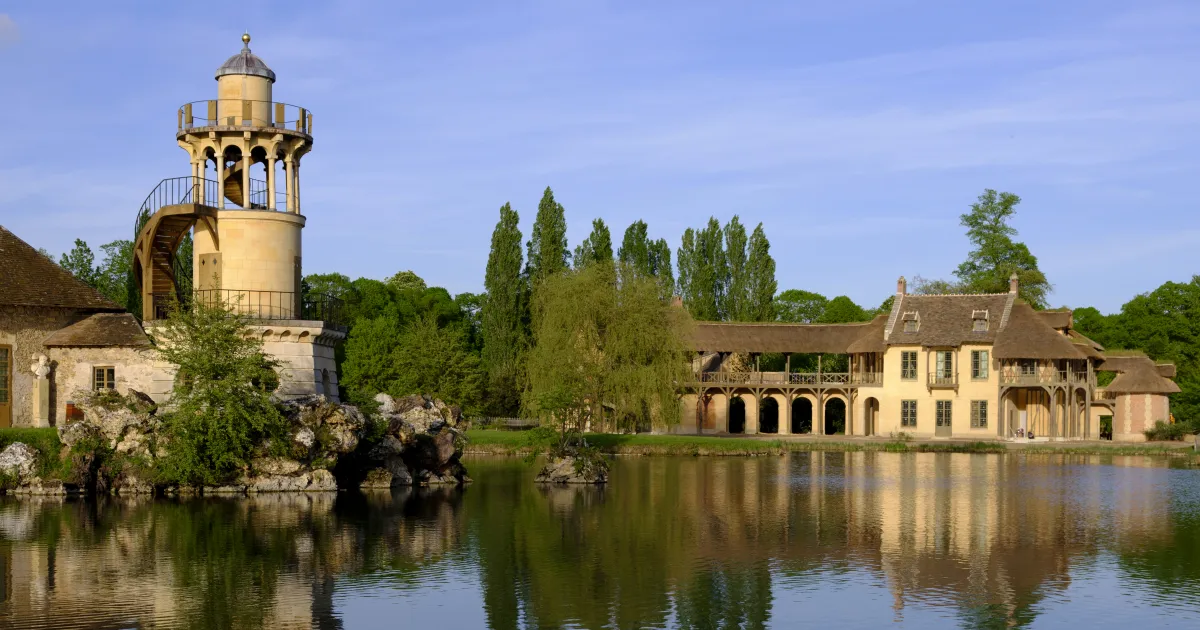
The Queen’s Hamlet. Photograph: Chateau de Versailles
As both a historic building and a modern place of work, the White House may represent a gray area in this debate, and I recognize that organizations like the Association have little to no bearing on the actual decision-making process. But as a student of history, my preservation spidey-senses are still tingling, and I hesitate to just sweep the East Wing demolition under the rug. It’s very easy for me to imagine a President twenty years down the line deciding that, in the name of security, it is necessary to completely demolish and rebuild the White House, and it’s very easy for me to imagine that historic preservation in that instance will be nothing more than 3-D scans and photographs.
